
Civic life
Eight State Attorneys General File Multi-Jurisdiction Consumer Protection Lawsuit Challenging OpenAI Youth Guardrails
Bipartisan coalition led by California and New York seeks court-ordered safety audits and civil penalties over algorithmic exposure risks
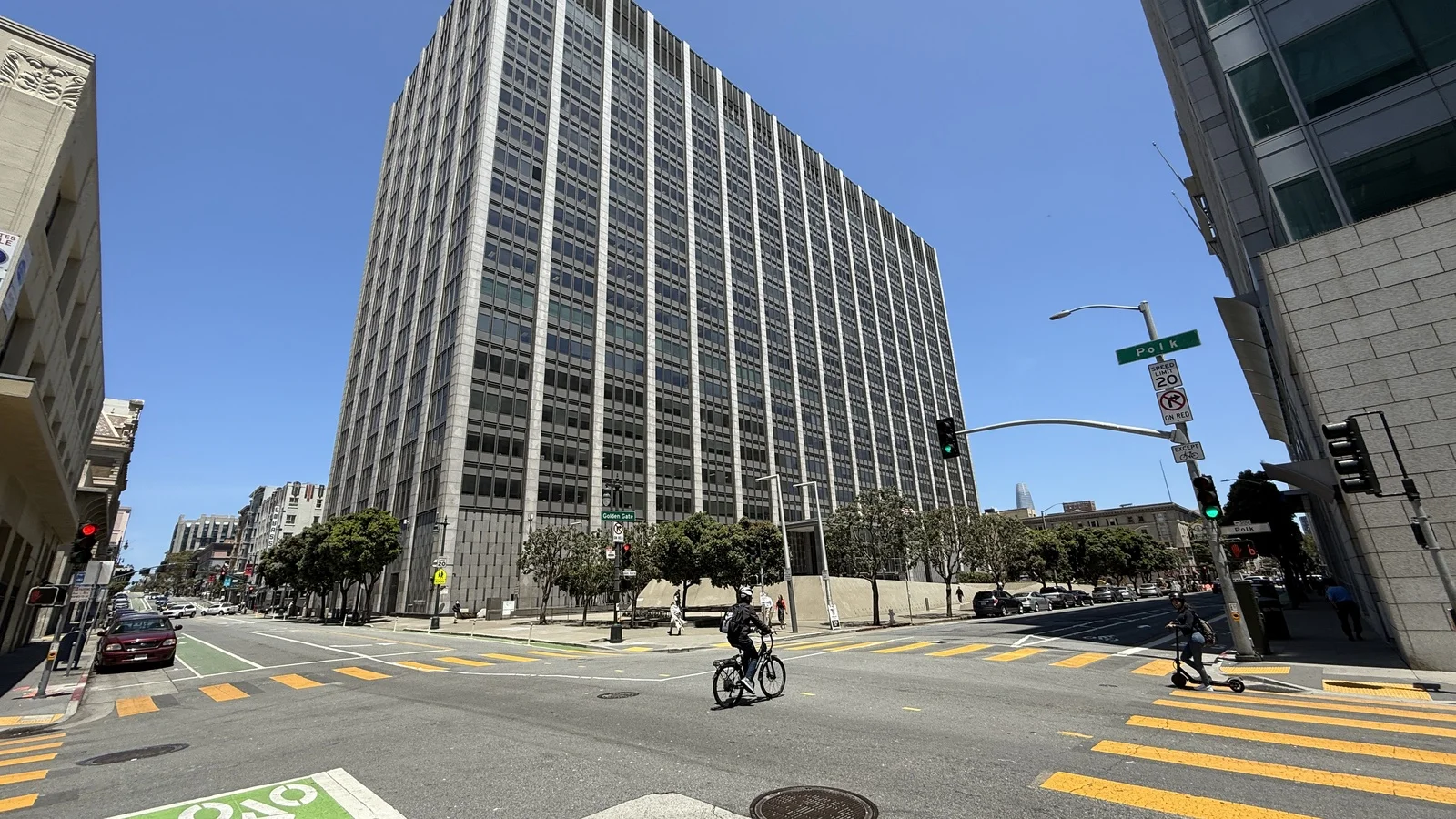
A bipartisan coalition of eight state attorneys general filed sweeping consumer protection lawsuits against San Francisco-based artificial intelligence developer OpenAI in federal district court on Wednesday. The joint legal action, spearheaded by California and New York alongside six partner states, alleges that the company failed to implement adequate age verification and safety guardrails to shield minors from harmful generative interactions across its flagship consumer chat platforms.
Court filings submitted to the Northern District of California cite internal testing protocols and independent pediatric evaluations demonstrating that teenage users could routinely bypass standard content filters during prolonged conversational sessions. The complaint asserts that marketing materials emphasized family-friendly utility while consumer safety systems lacked mandatory technical controls, including automated session timeouts, parent notifications, and verifiable age authentication mechanisms.
The enforcement action reflects an accelerating effort by state official leadership, regulatory department boards, and legislative committees to apply existing unfair business practice statutes to rapidly evolving generative machine learning models. California Attorney General Rob Bonta emphasized during a San Francisco briefing that state regulators are petitioning the court for permanent injunctive relief requiring independent third-party algorithmic safety audits, mandatory default privacy protections for users under eighteen, and civil statutory penalties under state consumer fraud protections.
Public interest advocates and regional parent associations across San Francisco, Alameda, and Contra Costa counties welcomed the coordinated filing as a crucial milestone in establishing enforceable legal accountability for Silicon Valley software creators. Child development researchers noted that conversational synthetic agents present distinct psychological engagement patterns compared to conventional social networks, making automated guardrails essential for preventing emotional distress, predatory steering, and unsupervised access to sensitive subject matter.
Legal scholars at regional universities noted that the litigation represents the most formidable multi-state test of algorithmic liability since generative software entered widespread commercial distribution. By anchoring the complaints in established statutory standards regarding deceptive trade practices rather than novel federal theories, state prosecutors have constructed an actionable evidentiary framework that could establish binding precedents for artificial intelligence consumer safety nationwide.
OpenAI representatives stated that the organization remains deeply committed to user safety and continuously refines its technical alignment benchmarks, content filtering filters, and teen safety guidelines across all supported platforms. The federal district court in San Francisco has scheduled an initial case management conference for early December, while participating state attorneys general indicated that parallel inquiries regarding industry-wide algorithmic design practices remain actively underway.
Comments (0)
No comments yet. Be the first to share a thought on this story.