
News
Federal Court Filings Reveal Trade Secret Dispute Over Next-Generation Multimodal AI Architecture in Northern California
Unsealed legal records allege illicit transfer of unreleased product roadmaps and proprietary neural routing blueprints to competing hardware partners
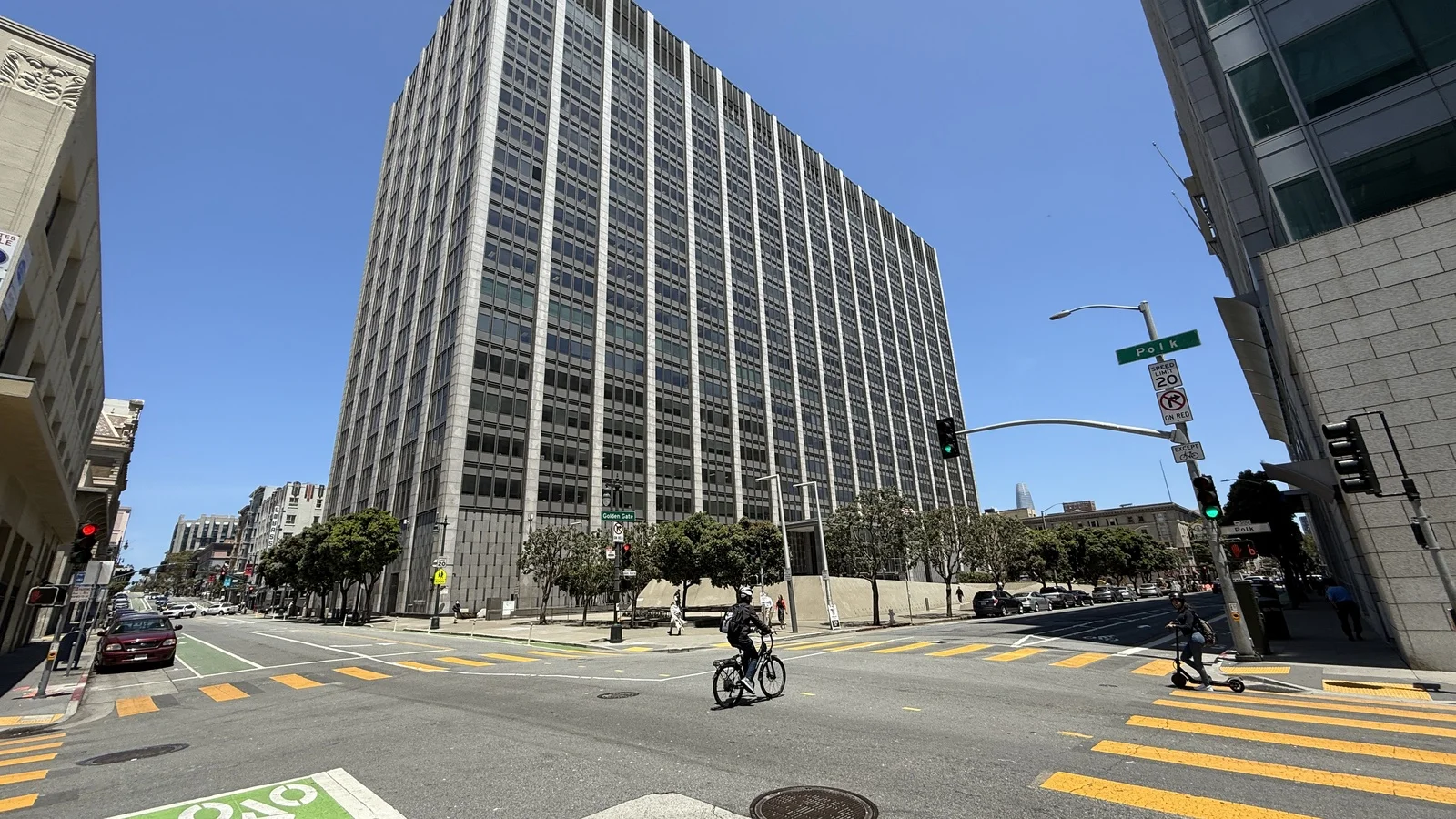
Unsealed legal filings docketed in the United States District Court for the Northern District of California on Wednesday revealed an escalating trade secrets conflict involving leading artificial intelligence laboratory OpenAI and a former senior engineering leader. The civil filings allege that proprietary multimodal neural routing architectures, speculative decoding heuristics, and confidential product roadmaps were improperly transferred to external commercial partners prior to employee departures earlier this year.
The legal complaint submitted in the San Francisco division asserts that the protected algorithmic techniques represent hundreds of millions of dollars in proprietary training investments and proprietary datacenter optimizations. According to court records, forensic device audits uncovered unauthorized repository clones and technical presentations containing unannounced consumer platform features and custom hardware acceleration protocols.
Silicon Valley venture investors, intellectual property legal scholars, and corporate governance committee chairs noted that the litigation reflects soaring stakes in the race for architectural dominance across generative machine learning. As technical differentiation increasingly shifts from brute-force model scale toward sophisticated inference caching, mixture-of-experts routing, and custom hardware co-design, proprietary algorithmic efficiency blueprints have become the industry's most fiercely guarded trade secrets.
Legal analysts in San Francisco and San Jose pointed out that federal courts in the Ninth Circuit have developed rigorous evidentiary standards regarding misappropriation of machine learning trade secrets. State statutory protections regarding employee mobility strictly protect workers' rights to pursue new employment, requiring corporate plaintiffs to produce clear, unambiguous digital evidence of direct document misappropriation or unauthorized source code extraction.
The legal confrontation arrives amid heightened regulatory scrutiny over executive departures and intellectual property cross-licensing between leading frontier laboratories and consumer electronics giants. Venture capital partners across Northern California observed that the unsealed litigation will likely establish clear judicial parameters regarding how former AI researchers can utilize general architectural domain knowledge without infringing on specific proprietary training heuristics.
The presiding federal district court judge in San Francisco has ordered an expedited evidentiary hearing for mid-November to consider proposed preliminary injunction motions and protective orders. Corporate legal representatives for both parties declined public comment outside filed court briefs, while industry observers emphasized that the dispute will offer rare public visibility into the confidential engineering mechanics of frontier generative models.
Comments (0)
No comments yet. Be the first to share a thought on this story.